
Comprehensive Gastroenterology Care, Tailored to You
Explore personalized digestive care focused on diagnosis, treatment, and long-term gut health.
Our Services
Services We Offer
Colonoscopy
Colonoscopy is a common and very safe procedure that examines the lining of the lower intestinal tract called the colon, or large intestine. Colonoscopy means “to look inside the colon.”
Capsule Endoscopy
The procedure is usually done for diagnostic purposes and permits removal of sample tissues for further study. In some cases the procedure is done to locate and remove a foreign object that has become lodged in the esophagus.
EGD
EGD is an endoscopic examination of the interior of the esophagus, stomach and internal portion of the duodenum.
SIBO Testing
A non-invasive diagnostic breath test used to detect Small Intestinal Bacterial Overgrowth, a condition where too many bacteria grow in the small intestine where they do not normally belong.
Our Approach
Why do I need a procedure?
The gastrointestinal tract is a complex bodily system. Without a clear view of what’s causing your discomfort, we may have an idea of the cause but not an accurate understanding of all the factors at play. An endoscope is a Gastroenterologist’s greatest tool.
It allows your GI doctor to see what intestinal or other disorders are causing your symptoms, rather than just treating the symptoms. When you can investigate more thoroughly, the results tend to be a whole lot better.
Procedure Details
What to Expect
Questions about your procedure?
Our scheduling team is here to help you find a convenient time.
01 / Service
Colonoscopy
Colonoscopy is a common and very safe procedure that examines the lining of the lower intestinal tract called the colon, or large intestine. Colonoscopy means “to look inside the colon.”
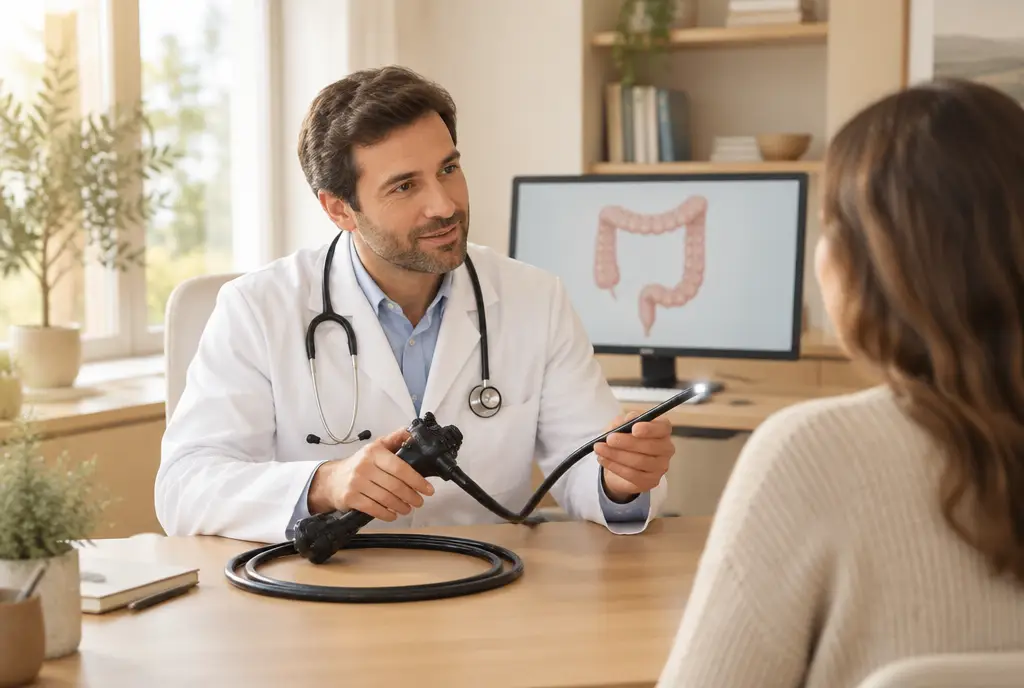
Colonoscopy procedure description
Colonoscopy procedure uses a flexible tube that has a miniature TV camera on the tip and a light. This instrument is often referred to as “scope”, and is placed in the rectum and advanced through the colon. This is connected to a monitor which your physician watches while performing the test. The physician may use various miniature tools which work with the scope to help obtain biopsies (tissue samples) or view the lining of the colon to diagnose your condition.
Preparing for your colonoscopy
You will schedule your appointment with Merus Gastro scheduling team to find a convenient time for you to have your colonoscopy with one of our gastroenterologists. This can be done online, or by calling the team.
Our staff will ask demographic questions including your medical insurance information as well as some medical questions to ensure we are scheduling you appropriately. For most people, the bowel prep is part of the process that they may dread the most, but rest assured, bowel preps have gotten better and easier to use over the years.
Plan ahead
- Stock up on clear liquids (no red or purple) to help you stay well hydrated and to prevent hunger during your preparation day. This is critical to a successful prep. Some people may require more than one day for a prep, but you will be informed of this before you start.
- If you work the day before your procedure, be sure to bring plenty of clear liquids to work with you to stay hydrated throughout the day.
- Plan to stay at home the evening before your procedure to begin your bowel preparation.
- If you are being sedated, you must have a responsible adult driver who will stay at our facility during the procedure and drive you home after.
- While you are sedated, you will be comfortable and unaware of the procedure taking place. Your vital signs are continuously monitored and recorded throughout the procedure and your recovery.
Note: This information is intended as guidance. Always follow the instructions provided to you by the provider at your appointment.
Colonoscopy is used to diagnose conditions such as colon polyps, cancer, colitis (inflammation of the colon) and diverticular disease. It may be used to investigate unexplained diarrhea, bleeding and anemia, or to evaluate an abnormality noticed on an imaging test.
When used as a colon cancer prevention method, colonoscopy can find potentially precancerous growths, called polyps, and remove them immediately. The removed polyps can then be tested for abnormal cells and an accurate diagnosis made. If the results show precancerous or cancerous polyps, a plan is put into place to monitor or treat the patient, as appropriate for their particular situation.
Colonoscopy is an invaluable diagnostic tool that helps your physician answer important questions about digestive health as well as prevent certain diseases, like colon cancer.
What to expect after a colonoscopy?
When you awaken in the recovery area, the team will explain their impressions of the examination and their recommendations. If biopsies were taken, it may take up to fourteen days to receive laboratory results, and additional recommendations may be made based on results.
Plan to avoid driving, decision-making or activities that require balance or judgement for four hours following your procedure. After that you may resume normal activities.
Because your doctor used air to inflate the colon when looking at the lining of the colon, you may experience some cramping or bloating. This feeling should disappear once you start passing gas. Your physician will advise you, based on their findings, if there are any restrictions for your diet. If not you should be able to eat after leaving the endoscopy centre.

Colonoscopy procedure risks
Colonoscopy and the special techniques mentioned above are very safe when performed by specially trained doctors with experience performing these types of procedures. As with any medical procedure, even in expert hands, unintended events could occur, and patients should be aware of the potential consequences.
There is a small risk of having a reaction to the medication given during the exam. In most cases, medications are available to counteract these side effects. A rare complication is tearing or perforation of the lining of the intestine. Should this occur, surgery may be needed to seal the injury. Another risk is bleeding, usually at the site of a biopsy or polyp removal. Most of the bleeding stops without treatment or can be controlled at the time of procedure.
02 / Service
Capsule Endoscopy
The procedure is usually done for diagnostic purposes and permits removal of sample tissues for further study. In some cases the procedure is done to locate and remove a foreign object that has become lodged in the esophagus.

03 / Service
EGD
Esophagogastroduodenoscopy
EGD is an endoscopic examination of the interior of the esophagus, stomach and internal portion of the duodenum.
The procedure is usually done for diagnostic purposes and permits removal of sample tissues for further study. In some cases the procedure is done to locate and remove a foreign object that has become lodged in the esophagus.
Dilation is used to open a blocked portion of the esophagus, which can become injured by tumors, stomach acid, ingestion of toxic substances that burn the esophagus or other factors. The goal of dilation is complete elimination of swallowing difficulty.
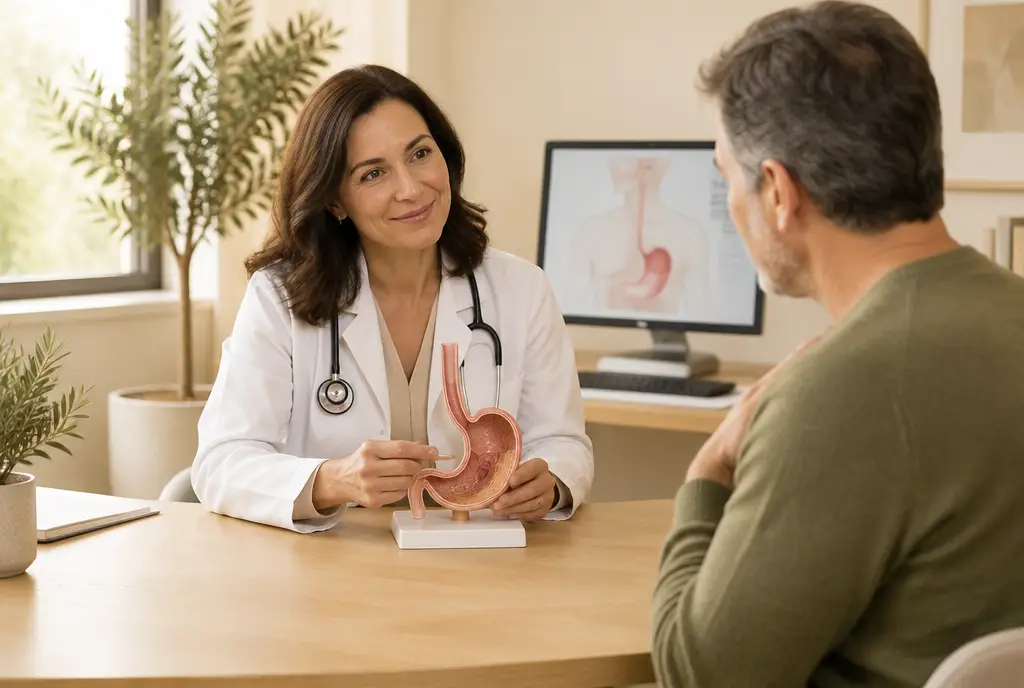
EGD is generally performed to evaluate or treat symptoms relating to the upper gastrointestinal tract like:
- Upper abdominal or chest pain
- Heartburn
- Nausea or vomiting
- Difficulty swallowing (dysphagia)
- Bleeding from upper intestinal tract
- Anemia (low blood count)
04 / Service
SIBO Testing
A non-invasive diagnostic breath test used to detect Small Intestinal Bacterial Overgrowth, a condition where too many bacteria grow in the small intestine where they do not normally belong.

Professional Affiliations